As an Amazon Associate, we earn from qualifying purchases. Some links on this site are affiliate links at no extra cost to you. Our recommendations are based on thorough research and editorial judgment.

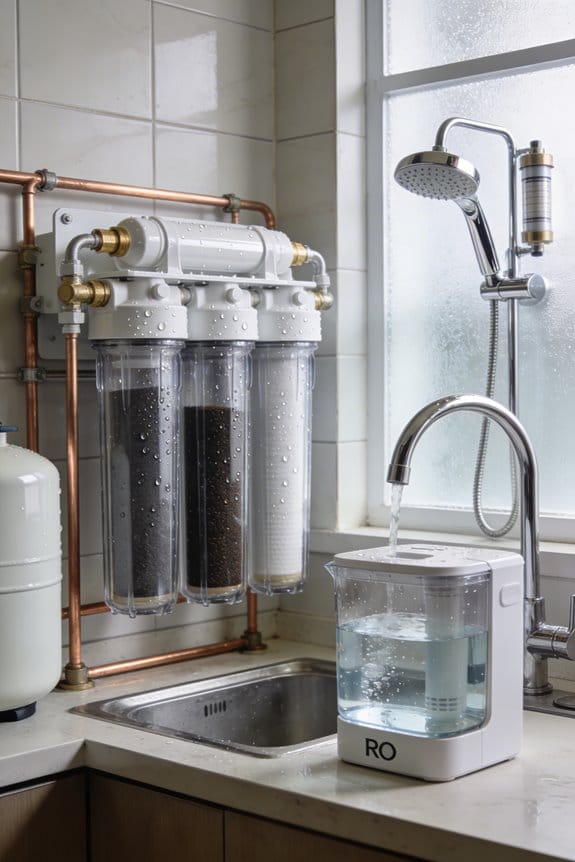
What Under Sink Filters Can and Cannot Remove From Tap Water

Under-sink filters remove heavy metals like lead and arsenic, chlorine, and some PFAS chemicals through carbon and reverse osmosis technology. However, they can’t effectively eliminate nitrates and sulfates, which often slip through standard systems. I’d recommend getting your water tested first to identify specific contaminants, then matching your filter type to those results. Not all filters target every problem, so checking NSF certifications confirms what each system actually removes. The details matter more than you’d think when protecting your family’s water quality.
Key Takeaways
- Reverse osmosis removes up to 99% of heavy metals and reduces PFAS by approximately 94% or more.
- Carbon filters excel at removing chlorine and VOCs, significantly improving water taste and odor quality.
- Nitrates and sulfates commonly pass through standard filtration systems and require specific testing and specialized treatment.
- NSF/ANSI 53 certification indicates proven contaminant removal; always verify third-party certifications before purchasing filters.
- Start with water testing to identify specific contaminants before selecting an under-sink filter system.
Identify Your Water Problem: The Six Contaminants Under Sink Filters Target Most
Before you choose an under-sink water filter, you’ll want to understand what contaminants might be lurking in your tap water, since different filters target different problems. The six main contaminants that under-sink filters address are sediment and particles, heavy metals, chlorine and volatile organic compounds, PFAS chemicals, bacteria, and dissolved solids. Each requires different filtration technology. When selecting a system, consider plumbing compatibility with your existing pipes, the maintenance schedule required for filter replacements, and installation cost. You should also check local regulations, as some areas have specific water quality standards. Understanding these contaminants helps you choose the right filter system for your household’s specific water concerns and needs.
Heavy Metals: Lead, Arsenic, and Other Toxins Your Filter Can Trap
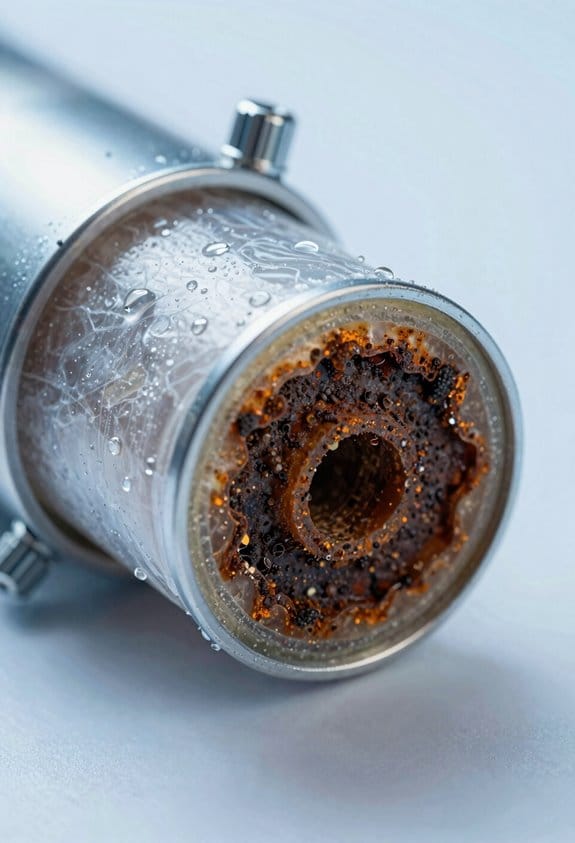
Heavy metals like lead and arsenic are serious contaminants that can accumulate in your body over time, causing health problems ranging from developmental issues in children to organ damage in adults. Reverse osmosis systems remove up to 99% of these toxins, making them highly effective for arsenic mitigation. If you’re concerned about contamination, lead testing should be your first step. Look for filters certified under NSF/ANSI 53, which specifically targets lead reduction. The Aquasana OptimH2O removes both fluoride and arsenic effectively, while the APEC ROES-50 excels at removing uranium alongside other heavy metals like copper and chromium. Understanding your water’s specific contaminants helps you choose the right filtration system for your household’s needs.
Chlorine, VOCs, and PFAS: Where RO Systems Deliver Real Results
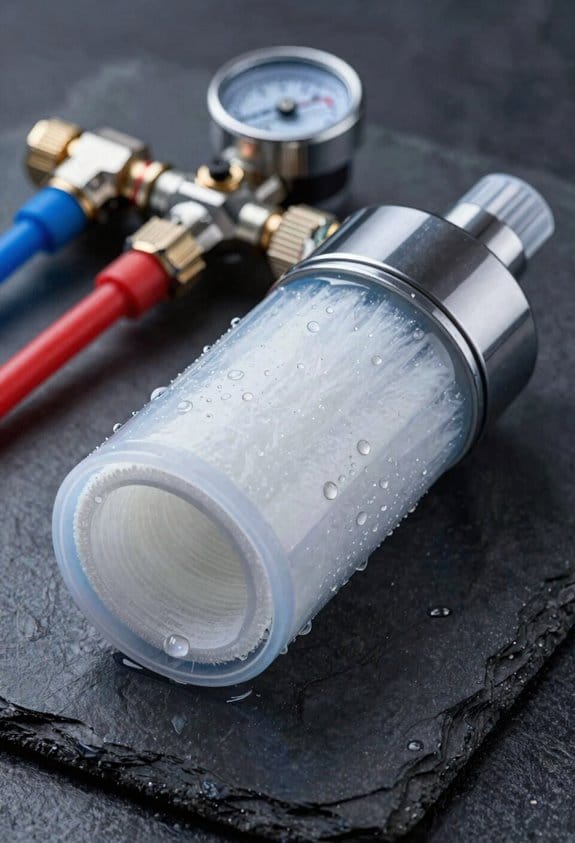
While heavy metals grab headlines for their serious health effects, another group of contaminants affects your daily water quality in ways you can taste and smell: chlorine, volatile organic compounds (VOCs), and PFAS chemicals.
Carbon filters excel at removing chlorine and VOCs, reducing unpleasant tastes and odors through their porous structure. Systems certified by NSF/ANSI 53 prove their effectiveness, with products like Aquasana Claryum eliminating 99% of 78 contaminants. However, carbon breakthrough—when filters become saturated and stop working—remains a concern.
For PFAS removal, reverse osmosis demonstrates superior membrane efficacy. RO systems reduce GenX and other PFAS by 94% or more, with some achieving undetectable levels. Under-sink RO units represent your most efficient option for these persistent chemicals, though activated carbon shows inconsistent results across different PFAS types.
What Under Sink Filters Can’t Remove: Nitrates, Sulfates, and Other Sneaky Contaminants
Even though reverse osmosis systems and carbon filters remove many dangerous contaminants, they don’t catch everything that might be lurking in your water supply. Nitrates and sulfates, which commonly occur in agricultural areas, often pass through standard filtration systems. Nitrate detection requires specific testing, since these chemicals don’t affect taste or smell. Sulfate management proves challenging because most under-sink filters aren’t designed to target these minerals effectively. Some reverse osmosis systems reduce nitrates and sulfates, but you’ll need to check the product label carefully. If your water contains high levels of these contaminants, specialized treatment or additional filtration stages may be necessary to guarantee safe drinking water for your household.
Certifications That Actually Matter: NSF Stamps and Claims Worth Trusting
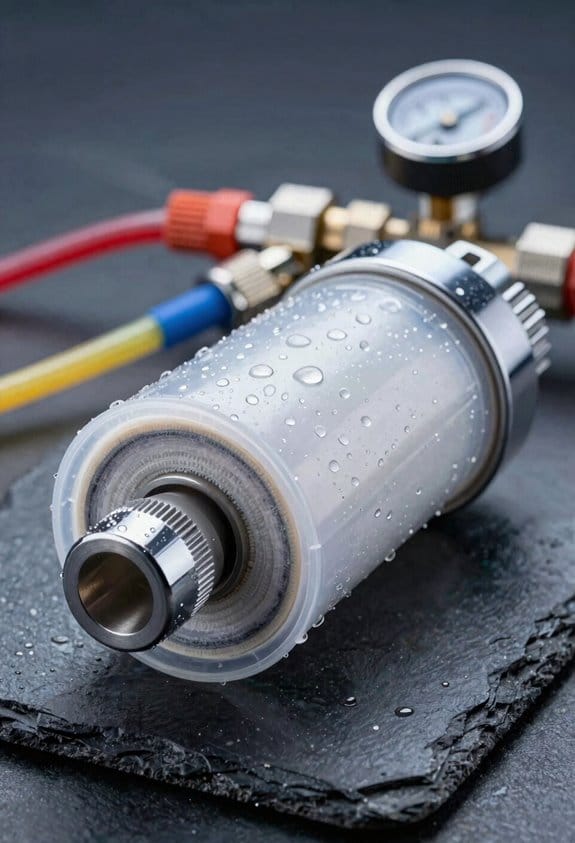
When I’m evaluating under-sink water filters, I’ve learned that marketing claims can be misleading, so I look for third-party certifications that verify a filter’s actual performance. NSF Standards like NSF/ANSI 53 represent rigorous testing, meaning manufacturers haven’t simply made promises—they’ve proven results through independent labs. Certification Myths often surround lesser-known brands claiming miracle removals without backing from recognized organizations. I trust filters displaying NSF certification because these stamps indicate the system removes specific contaminants to documented levels. For example, NSF/ANSI 53 certification proves lead reduction, while other standards target different concerns like VOCs or bacteria. When shopping, I prioritize filters with verifiable third-party certifications over flashy marketing, ensuring my investment actually protects my family’s water quality.
Choose the Right Filter for Your Water Test Results
Since every water supply contains different contaminants at varying concentrations, I recommend starting with a water test before selecting a filter system. Your test results guide you toward the right technology—whether that’s carbon filtration for chlorine, reverse osmosis for heavy metals, or multi-stage systems for comprehensive protection. Consider practical factors like flow rate, which affects how quickly water dispenses, and installation complexity, which determines whether you’ll need professional help. A simple carbon filter requires minimal setup, while reverse osmosis systems demand more involved installation. Match the filter’s certifications to your specific contaminants. Check NSF/ANSI numbers on product labels to verify the system removes what your water test revealed. This targeted approach makes certain you’re not paying for unnecessary filtration while addressing actual problems.
Frequently Asked Questions
Do Under Sink Filters Remove Beneficial Minerals and Fluoride From Drinking Water?
I’ll tell you that most under-sink filters remove fluoride and minerals you might want kept. This minerals retention and fluoride debate matters because some systems strip beneficial elements while filtering contaminants effectively.
How Often Should I Replace My Under Sink Filter Cartridges for Optimal Performance?
I’ll cut to the chase: you’ll want to replace cartridges every 6-12 months, depending on water quality. Check your warranty reminders and replace schedule guidelines—they’re your best bet for keeping performance first-rate.
Can Under Sink Filters Remove Bacteria and Viruses From Contaminated Water Supplies?
I’d tell you that most under-sink filters aren’t certified for bacterial testing or viral inactivation. You’ll need reverse osmosis systems with 0.0001 micron pores for reliable pathogen removal, though I’d verify certification labels first.
What Is the Difference Between Activated Carbon and Reverse Osmosis Filter Effectiveness?
I’ll tell you that reverse osmosis outperforms activated carbon markedly. While activated carbon removes chlorine and some contaminants inconsistently, reverse osmosis blocks 99% of dissolved solids with microscopic pores, making it superior for thorough filtration.
Why Do Different Brands Show Varying Removal Rates for the Same Contaminants?
Like ingredients in a recipe, slight variations create vastly different results. I’ve found that brand variability stems from differing filter media quality, testing standards compliance, and flow rate designs—factors manufacturers prioritize differently, affecting contaminant removal rates.