As an Amazon Associate, we earn from qualifying purchases. Some links on this site are affiliate links at no extra cost to you. Our recommendations are based on thorough research and editorial judgment.


What PFAS Forever Chemicals Are and Why They Are in So Many Water Supplies

PFAS, or “forever chemicals,” are synthetic compounds used in manufacturing and consumer products like non-stick cookware and water-resistant clothing. They’re called “forever chemicals” because their incredibly strong carbon-fluorine bonds resist natural breakdown, allowing them to persist indefinitely in soil and water. Industrial runoff, firefighting foams, and agricultural practices have contaminated drinking water supplies nationwide. Once in your body, PFAS accumulate in organs and tissues over time, creating long-term health concerns. Understanding these contamination sources reveals critical protection strategies.
Key Takeaways
- PFAS are “forever chemicals” because their exceptionally strong carbon-fluorine bonds resist natural breakdown in environments indefinitely.
- Industrial runoff, agricultural runoff, firefighting foams, and degrading consumer products are primary sources contaminating water supplies nationwide.
- PFAS persist in aquatic ecosystems and accumulate in organisms over time due to their resistance to decomposition.
- Contaminated water enters the human body through ingestion, bioaccumulating in organs and tissues with limited elimination capacity.
- EPA and state regulatory agencies establish drinking water standards, while point-of-use filters provide temporary personal protection measures.
Why PFAS Are Contaminating Your Drinking Water?
When you turn on your tap, you’re probably not thinking about chemicals that break down over centuries—yet that’s precisely what’s happening in water supplies across the United States. PFAS contamination originates from multiple sources that I’d like to explain. Industrial runoff from manufacturing facilities releases these chemicals directly into waterways. Agricultural runoff carries PFAS-laden soil and fertilizers into groundwater and surface water systems. Additionally, firefighting foams used at airports and military bases leach PFAS into surrounding environments. Consumer products like non-stick cookware and water-resistant clothing break down over time, contributing particles to landfills and eventually water supplies. Once released, PFAS molecules don’t degrade easily due to their strong carbon-fluorine bonds, allowing them to persist indefinitely in aquatic ecosystems and contaminate drinking water sources nationwide.
How ‘Forever Chemicals’ Resist Breaking Down?
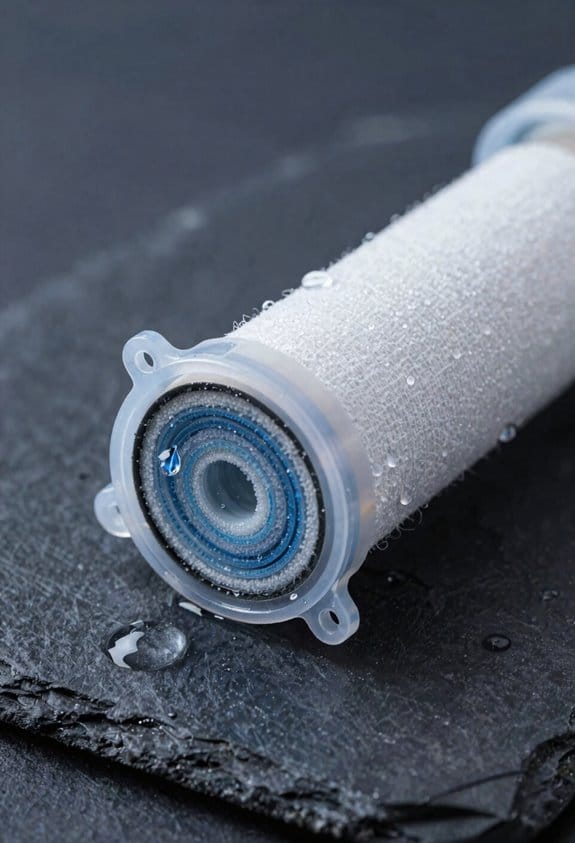
Understanding why PFAS persist in our environment requires examining their molecular structure, which I’ll explain here. The carbon-fluorine bonds in PFAS are exceptionally strong, making them incredibly resistant to natural breakdown processes. These strong bonds create molecular shielding that protects the chemical from environmental degradation. When PFAS enter soil or water, they don’t decompose like most other chemicals do. Instead, they remain virtually unchanged for indefinite periods. This extreme persistence is why scientists call them “forever chemicals.” Because these molecules won’t break apart naturally, they accumulate in ecosystems and organisms over time. Understanding this resistance helps explain why PFAS contamination has become such a widespread environmental challenge affecting water supplies across the country.
PFAS Accumulation: From Water to Your Bloodstream

PFAS chemicals travel from contaminated water into your body through a process called bioaccumulation, which occurs when your intake of these substances exceeds your body’s ability to eliminate them. Once you consume contaminated water, PFAS enters your bloodstream and accumulates in your organs and tissues over time. Scientists use environmental biomonitoring—testing blood and urine samples—to track PFAS levels in populations exposed to contaminated water sources. Research shows PFAS can pass from mothers to developing fetuses through placental transfer, meaning exposure affects multiple generations. Higher blood concentrations occur near manufacturing facilities and contaminated water supplies. Since your body struggles to break down these “forever chemicals,” they persist indefinitely, creating long-term health concerns even at extremely low exposure levels.
Health Effects Linked to PFAS Exposure
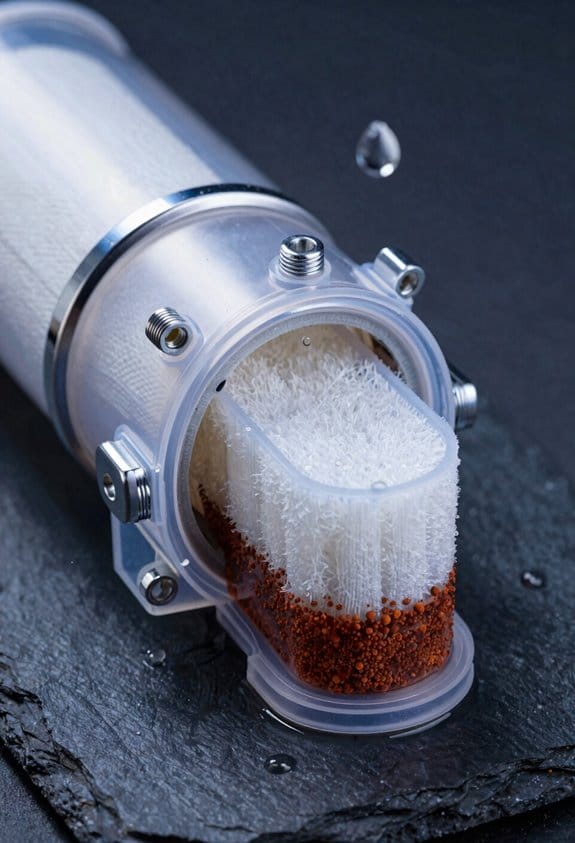
Now that you understand how PFAS accumulates in your body over time, it’s important to examine what these chemicals actually do once they’re there. Scientists have identified concerning health effects linked to PFAS exposure, including impacts on immune function and developmental risks in children. Research shows that PFAS can alter immune biomarkers, which are measurable indicators of how well your immune system functions. Studies suggest exposure during pregnancy and childhood may affect fetal development and childhood growth. Higher blood levels of PFAS correlate with increased health concerns, particularly in populations living near contaminated water supplies. While scientists continue investigating long-term effects, current evidence indicates that even small amounts of PFAS exposure warrant attention and precaution.
Drinking Water Standards and Personal Protection Strategies
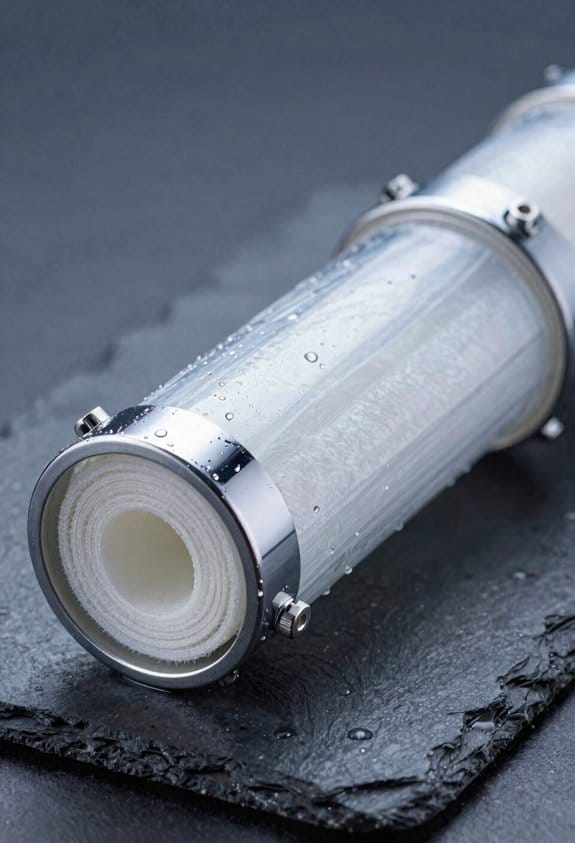
In response to widespread PFAS contamination, regulatory agencies have established drinking water standards to protect public health, though you’ll find that these protections vary by location and continue evolving as scientists learn more. The EPA now sets maximum contaminant levels for six PFAS compounds, but many states enforce stricter limits. To reduce your exposure, consider using point of use filters, such as activated carbon systems, which remove certain PFAS types from tap water. Home filtration methods vary in effectiveness depending on specific chemicals present. Alternatively, bottled water offers temporary relief, though it requires ongoing purchase. For long-term solutions, source protection efforts aim to prevent PFAS from entering water supplies initially. You’ll benefit from checking local water quality reports to understand your specific contamination levels.
Frequently Asked Questions
How Many Different PFAS Chemicals Exist and Are Regulated by Authorities?
I’ll tell you that while PFAS diversity encompasses nearly 15,000 synthetic chemicals, the regulatory landscape currently targets just six specific compounds: PFOA, PFOS, PFBS, PFNA, PFHxS, and GenX.
Which Everyday Consumer Products Contain PFAS in Their Manufacturing?
Ever wonder why your nonstick cookware works so well? I’ll tell you—PFAS chemicals are everywhere in everyday products. You’ll find them in nonstick cookware, water repellent fabrics, cosmetics, and food packaging.
What International Agreements Address PFAS Contamination Globally?
I’ll tell you that the Stockholm Convention restricts PFOS, eliminates PFOA and PFHxS globally. While the Basel Convention doesn’t specifically target PFAS, it addresses hazardous waste management internationally, complementing these efforts.
How Do PFAS Travel Through Food Chains and Accumulate in Wildlife?
I’ll explain how PFAS move through food chains. They’re absorbed by organisms at lower levels, then you’ll see bioaccumulation pathways intensify as predators consume contaminated prey. This trophic magnification means concentrations increase dramatically up the chain.
Are PFAS Naturally Occurring or Entirely Synthetic in Origin?
PFAS aren’t naturally occurring—they’re entirely synthetic chemicals I need to tell you don’t exist in nature. Scientists have manufactured them since the 1940s for industrial origin applications like nonstick cookware and water-resistant textiles.