As an Amazon Associate, we earn from qualifying purchases. Some links on this site are affiliate links at no extra cost to you. Our recommendations are based on thorough research and editorial judgment.

What a Filter Bypass Valve Does and When You Would Use One

A filter bypass valve is a safety device that automatically opens when pressure builds up behind your oil filter, allowing unfiltered oil to flow through and protect your engine from starvation. You don’t actively “use” one—it works automatically during cold starts when oil thickens, or when your filter gets clogged with debris. By maintaining the oil supply, it prevents metal-on-metal contact and engine damage. Understanding how it functions and keeping your filter clean helps guarantee it stays dormant, but there’s much more to know about proper maintenance strategies.
Key Takeaways
- Filter bypass valves open automatically when pressure exceeds 8–15 psi, allowing unfiltered oil circulation to prevent engine starvation.
- They activate during cold starts when thickened oil restricts flow through filter media, protecting engine components from lubrication loss.
- Bypass valves protect engines from catastrophic damage caused by clogged filters that would otherwise burst under excessive pressure buildup.
- A stuck-closed valve causes lubrication starvation and severe engine wear; a valve opening too easily spreads contamination throughout the engine.
- Regular filter replacements every 3,000–10,000 miles and correct oil viscosity keep bypass valves dormant and engines properly protected long-term.
How a Bypass Valve Protects Your Engine
When your engine’s oil filter becomes clogged or your oil thickens during a cold start, the bypass valve springs into action as a critical safety mechanism. I’ll explain how it protects your engine from damage.
The valve opens when pressure differences across the filter exceed a preset threshold, typically 8-15 psi. This allows unfiltered oil to flow directly through the center tube, bypassing the clogged filter media. While unfiltered oil isn’t ideal, it’s far better than no oil reaching your engine’s components.
Without this protection, your filter could burst under excessive pressure, causing complete oil loss and catastrophic engine damage. The bypass valve also maintains spline integrity and thermal insulation properties by ensuring consistent lubrication flow, preventing metal-on-metal contact that generates destructive heat and friction.
When Does Your Bypass Valve Open?
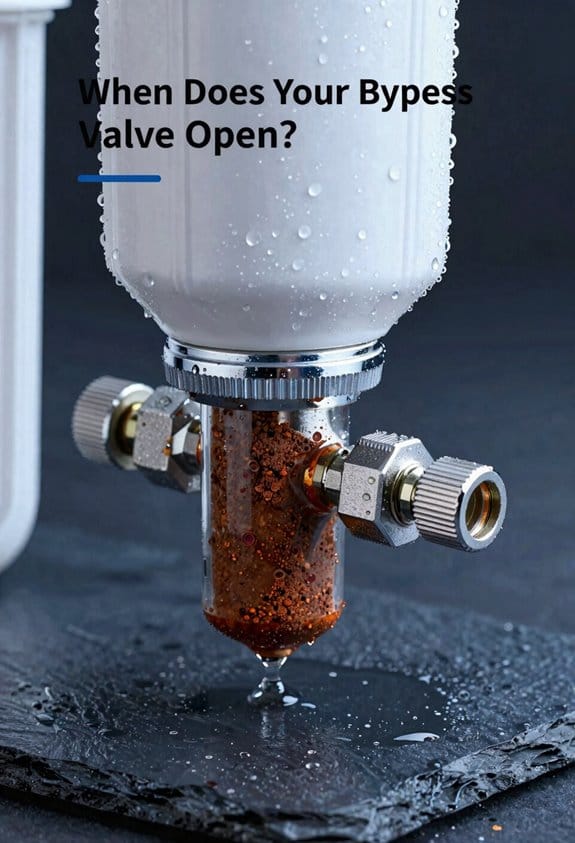
As pressure builds up inside your oil filter, the bypass valve remains closed and allows normal filtered oil to circulate through your engine. When the pressure differential across your filter exceeds a threshold of roughly 8-15 psi, the valve opens automatically. This typically happens when your filter becomes clogged with dirt and sludge, restricting oil flow and raising upstream pressure. Cold startups also trigger opening because thick oil flows slowly through the filter media. High RPM acceleration can spike pressure if your filter’s partially blocked. Extended oil drain intervals accelerate media saturation, making bypass activation more frequent. Understanding these activation points helps you maintain proper oil pressure and extend your filter lifespan while protecting engine components from lubrication starvation.
Cold Starts and Clogged Filters: Two Activation Triggers
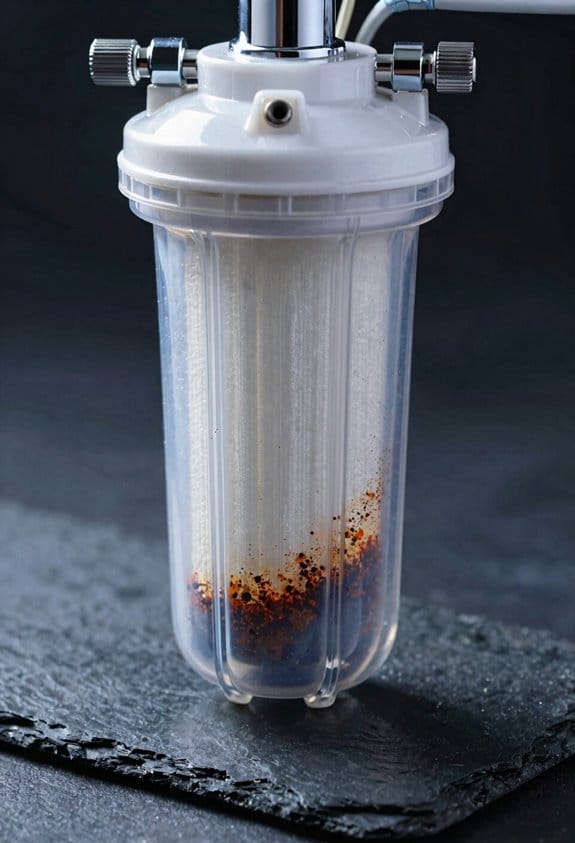
Two primary situations cause your bypass valve to open: cold engine startups and severely clogged filters, each triggering the valve through different mechanisms. During cold soak behavior, your engine’s oil thickens considerably, increasing its startup viscosity and restricting flow through the filter. When you turn the key, this thick oil creates pressure buildup faster than it can pass through the cold filter media. Your bypass valve opens, allowing unfiltered oil to circulate and protect engine components from starvation. Conversely, a severely clogged filter accumulates dirt and debris over time, gradually restricting passage and building pressure even during normal operating temperatures. Once the pressure differential exceeds your valve’s threshold, typically 8-15 psi, it opens automatically, ensuring continuous lubrication regardless of filtration resistance.
What Happens When a Bypass Valve Fails?
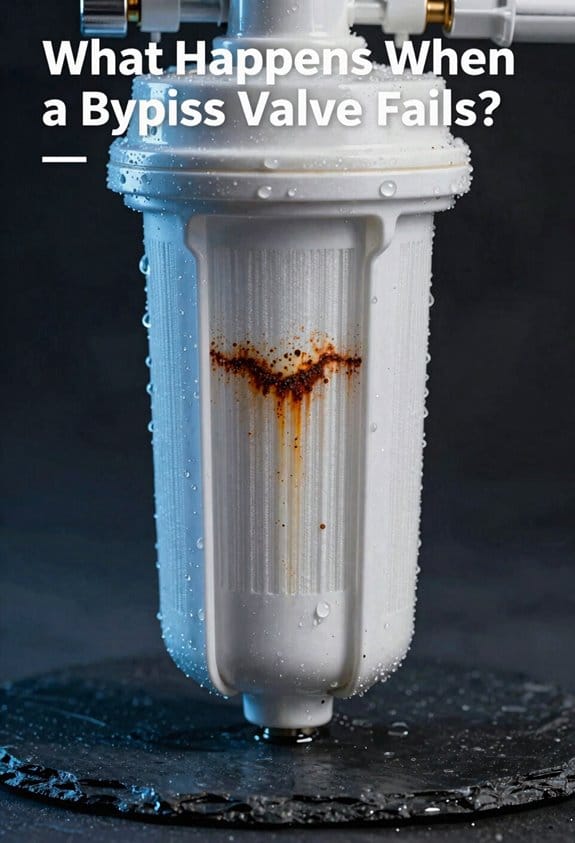
Your bypass valve‘s protective function only works when it operates correctly, but when this component fails, the consequences for your engine can be severe. If your valve sticks closed, oil can’t flow properly when the filter clogs, starving your engine of lubrication and causing damage. Conversely, if it opens too easily or too frequently, unfiltered oil circulates through your engine, allowing contamination spread that wears internal parts faster. A failing valve might also cause filter rupture from excessive pressure buildup, which creates catastrophic oil loss. When contamination reaches your engine’s essential components, wear accelerates dramatically. Regular filter maintenance and timely replacements help prevent these failures, protecting your engine’s longevity and performance.
Maintenance Best Practices to Avoid Bypass Activation
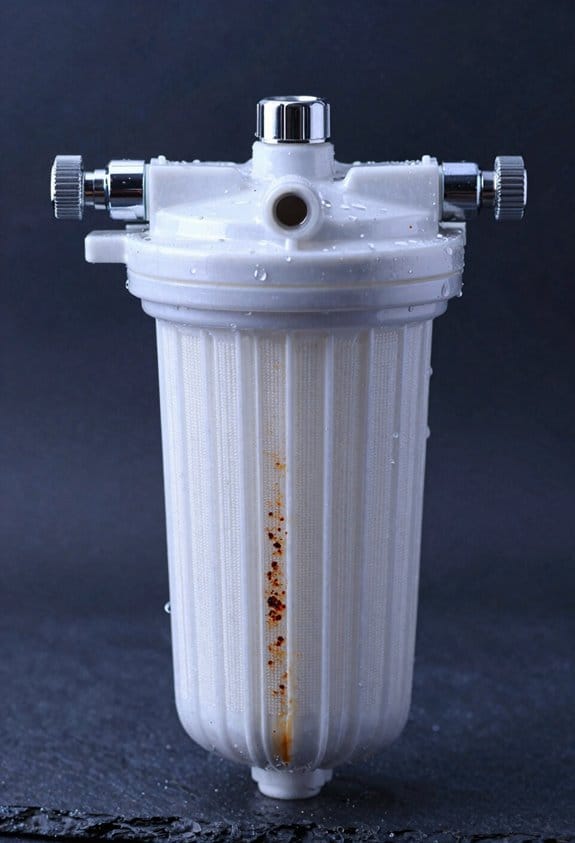
Since the bypass valve only activates when your oil filter becomes severely restricted, preventing its activation requires consistent maintenance that keeps your filter clean and your oil flowing freely. I recommend following scheduled replacements outlined in your vehicle’s manual, typically every 3,000 to 10,000 miles depending on your engine type and oil quality. Regular oil analysis helps you understand your oil’s condition and contamination levels, allowing you to adjust maintenance intervals accordingly. Additionally, use the correct oil viscosity for your climate, as thin oil flows better during cold starts while thick oil resists clogging. By staying proactive with filter changes and monitoring your oil’s health, you’ll keep your bypass valve dormant and your engine properly protected from both starvation and contamination.
Frequently Asked Questions
Can a Bypass Valve Allow Contaminated Oil to Circulate Through My Engine?
Yes, I’ll tell you straight: when your bypass valve opens too early or frequently, it’s like opening a floodgate to contamination risk. That’s why maintenance planning—regular filter changes—matters for your engine’s survival.
Are Bypass Valves Included in All Modern Oil Filtration Systems?
Yes, I’ll tell you that bypass valves are standard in all modern oil filtration systems. They’re built to factory standards and included to protect your engine, maintaining your warranty coverage when you follow OEM specifications.
What Is the Typical Pressure Threshold for Bypass Valve Activation?
Like a dam holding back floodwaters, I’ll tell you the relief pressure threshold: typically 8-15 psi triggers your bypass valve’s activation mechanism, protecting your engine when filter restriction builds dangerous pressure.
How Do Bypass Filtration Systems Differ From Full-Flow Filtration Systems?
Bypass filtration systems I’m explaining use partial flow staged filtration, processing only five percent of your oil through finer filters. Full-flow systems filter all your oil once, while bypass systems continuously remove smaller contaminants separately, extending drain intervals markedly.
Can High-Efficiency Bypass Filters Extend My Oil Drain Intervals?
Yes, they can—but here’s the catch: high-efficiency bypass filters extend intervals by removing contaminants that degrade oil longevity. I’d recommend monitoring oil analysis to confirm extended intervals match your engine’s needs.