As an Amazon Associate, we earn from qualifying purchases. Some links on this site are affiliate links at no extra cost to you. Our recommendations are based on thorough research and editorial judgment.

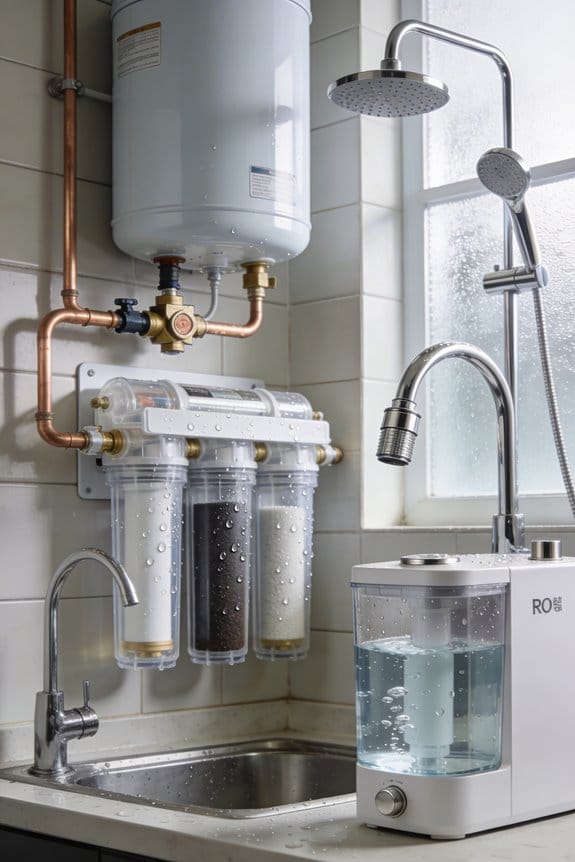
What Refillable Filter Media Systems Are and How They Cut Long-Term Costs

Refillable filter media systems let you swap worn cartridges instead of replacing entire housings, which cuts your costs considerably. They use layered materials with graded porosity to trap particles efficiently while maintaining consistent flow rates. Backwashing technology regenerates the media by reversing water flow, extending operational time between replacements. Most facilities see payback within 12–24 months through reduced replacements, lower labor expenses, and decreased downtime. Understanding your current spending and projected savings reveals the full financial picture.
Key Takeaways
- Refillable filter systems use replaceable media rolls instead of discarding entire housings, reducing replacement and disposal costs.
- Multi-layer pleated media extends service life by maintaining consistent flow rates and trapping particles across graded porosity levels.
- Backwashable design restores media condition through automated flow reversal, enabling reuse and minimizing replacement frequency.
- Typical payback periods of 12–24 months occur through reduced replacements, lower labor costs, and decreased energy consumption.
- Extended operational uptime between replacements minimizes production interruptions while protecting downstream equipment from fouling and damage.
What Are Refillable Filter Media Systems?
Since traditional filters require complete replacement once they’re clogged with contaminants, refillable filter media systems offer a more practical alternative by allowing you to swap out only the filter media itself while keeping the housing intact. These systems feature refillable housings with automatic shut-off valves that simplify maintenance and enhance service accessibility. The filter media—made from polyester, nylon, polypropylene, or viscose blends—comes in rolls that you can easily replace without discarding the entire unit. Multi-media filters contain layered materials that trap diverse particles like silt, clay, and grit from feed water. This design approach reduces suspended solids effectively while maintaining consistent flow rates, making the system more efficient than traditional single-layer filters.
How Refillable Design Cuts Maintenance Costs
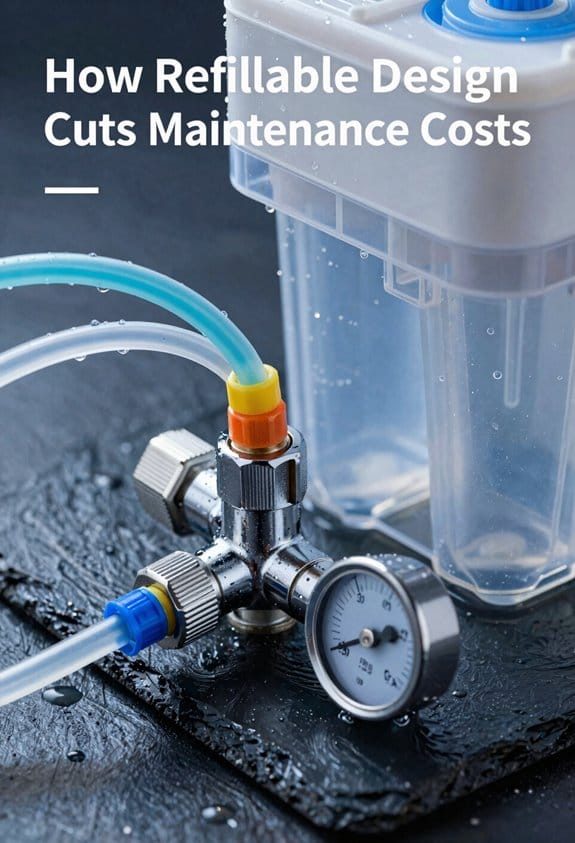
The practical benefits of refillable filter media systems extend far beyond their straightforward design, reaching directly into your operational budget through significant maintenance cost reductions. When you swap out clogged media rolls instead of replacing entire filter housings, you’re eliminating expensive equipment disposal and replacement expenses. This approach dramatically reduces your inventory reduction needs, since you’re maintaining fewer complete units in storage. Your scheduled inspections become simpler too, focusing on media condition rather than housing integrity. The backwashable design means trapped solids get purged and reused, extending operational time between replacements. Over time, these efficiencies compound, lowering your facility’s total maintenance expenses and freeing capital for other investments.
How Refillable Multi-Layer Filters Outperform Single Filters
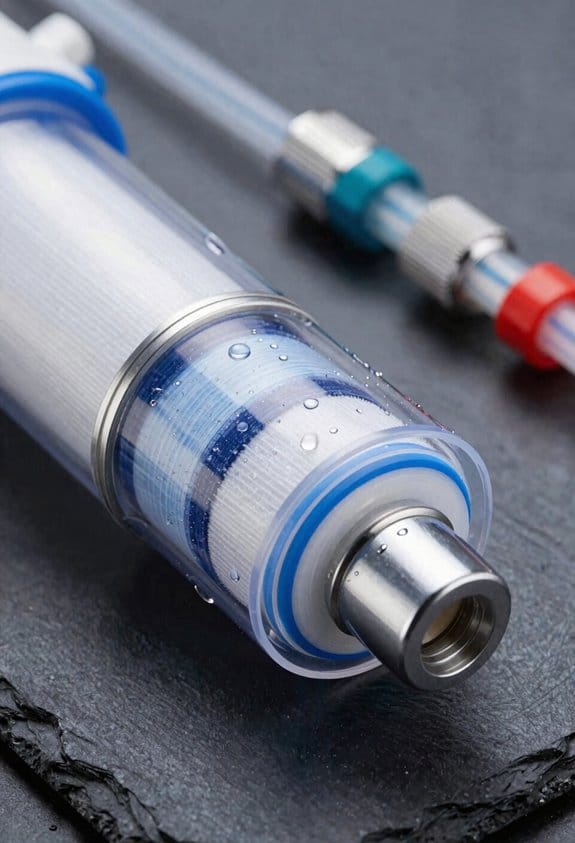
While single-layer filters work adequately for basic filtration tasks, refillable multi-layer systems outperform them markedly by using stacked media layers that each target different particle sizes and contaminants. I can explain how this layer synergy works: each stratum captures specific debris, preventing larger particles from clogging finer layers. This graded porosity design means coarser outer layers trap silt and clay, while inner layers remove smaller suspended solids. The result? Your filter maintains consistent flow rates longer and requires fewer replacements than single-layer alternatives. Because multi-media setups customize to your water quality needs, you’re not paying for unnecessary filtration capacity. This targeted approach reduces both maintenance frequency and long-term operational costs considerably.
Pleated Refillable Media: Why It Lasts Longer
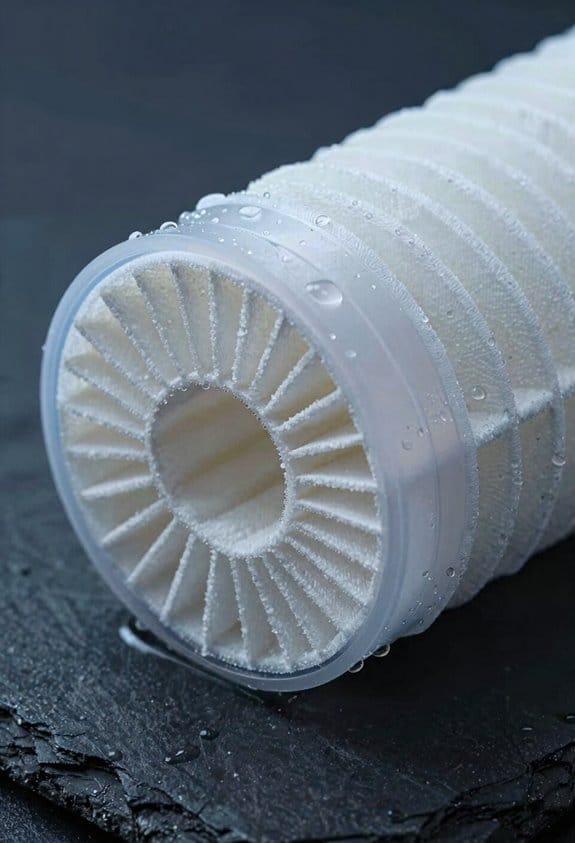
Pleated refillable media extends filter life dramatically because its accordion-like design dramatically increases the surface area available for trapping contaminants. I’ll explain why this matters for your filtration system.
The pleats create more space to capture particles without clogging quickly. Because you’re using more of the media’s surface, you won’t need replacements as often. This pleat durability means your system runs longer between maintenance intervals.
Airflow optimization is another key benefit. The pleated structure allows liquid or air to flow efficiently through the filter while still capturing suspended solids effectively. You get consistent performance without excessive resistance, which reduces energy consumption.
When you combine extended lifespan with lower operational costs, pleated refillable media becomes a smart investment for industrial and commercial applications.
Backwashing Technology Extends Operational Uptime
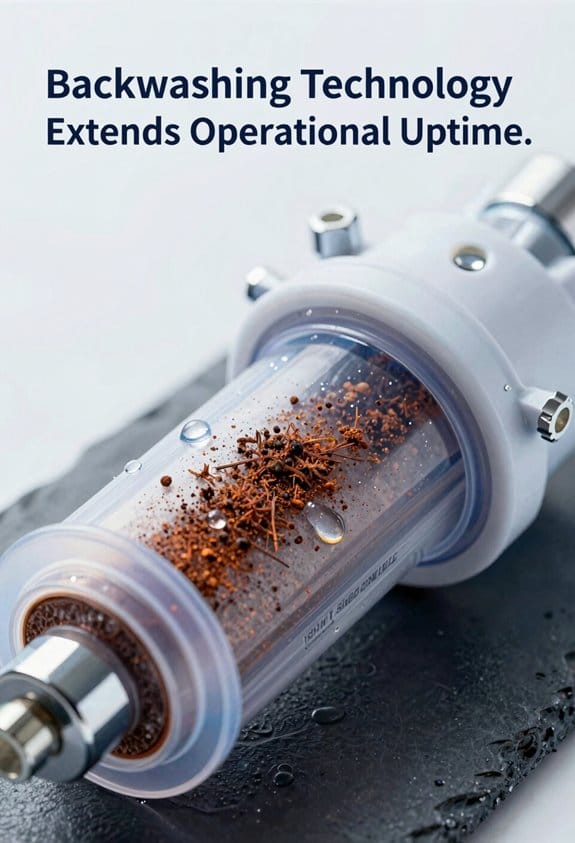
Beyond extending filter life through surface area, I want to show you how backwashing technology keeps your system running longer and reduces costly downtime. Backwash automation reverses water flow through your filter, dislodging trapped particles without removing the media itself. This process, called media regeneration, purges contaminants while preserving your filter’s integrity and functionality.
When you implement backwashing regularly, you’re essentially resetting your filter to near-original conditions. Instead of replacing saturated media frequently, you restore it for continued use. This capability means your system operates at peak efficiency longer, minimizing interruptions to production schedules. By extending operational time between replacements, backwashing technology directly reduces maintenance labor, replacement costs, and system downtime—ultimately protecting your bottom line while maintaining consistent water quality throughout your processes.
Refillable vs. Disposable: Real Cost Math
When you’re choosing between refillable and disposable filter systems, the initial purchase price tells only part of the story. I’ll break down the real expenses using lifecycle accounting, which tracks all costs from installation through disposal.
Disposable filters seem cheaper upfront, but you’ll replace them frequently, adding labor and material expenses. Refillable systems cost more initially, yet their reusable housings offset this investment over time. Consider replacement logistics too—refillable options reduce waste management hassles and shipping delays.
Let me show you the math: if you’re replacing disposable filters monthly at $50 each plus labor, that’s $600 yearly. A refillable system with annual media replacement at $150 saves substantially. Within two to three years, the refillable investment pays itself through reduced operational costs and decreased downtime.
Refillable Filter Cost Savings in Manufacturing
Manufacturing operations face unique filtration challenges that make refillable systems particularly valuable, building on the cost advantages we’ve already explored. When you’re running machining, hot rolling, or food production facilities, equipment uptime directly impacts your bottom line. Refillable filters minimize downtime because you’re simply swapping out media rather than replacing entire housings. This approach maintains production efficiency by reducing maintenance interruptions that disrupt workflows. Since backwashable media extends operational time between changes, your machinery stays running longer. You’ll spend less on emergency maintenance calls and replacement parts. The multilayered design prevents downstream equipment fouling, protecting expensive machinery from damage. Over months and years, these operational improvements compound, delivering substantial savings that justify the initial investment in refillable filter systems.
Why Refillable Filters Are Better for the Planet
As environmental concerns shape how industries operate today, refillable filter systems stand out as a genuinely sustainable choice that reduces waste at its source. When you replace only the filter media instead of discarding entire housings, you keep substantial material out of landfills. This approach dramatically cuts reduced landfill contributions compared to single-use filters. Additionally, refillable systems lower lifecycle emissions by eliminating repetitive manufacturing of complete filter units. The backwashable design extends operational periods, meaning fewer replacements overall. Since HEPA media captures 99.97% of fine particles when properly maintained, these systems effectively prevent contaminants from reaching downstream equipment and water sources. By choosing refillable filters, you’re making a practical decision that protects environmental resources while maintaining industrial efficiency.
How to Calculate Your Payback Period
How quickly will your investment in a refillable filter system pay for itself? I’ll help you understand your payback timeline by comparing upfront costs against operational savings.
Start by calculating your current annual spending on filter replacements, maintenance, and energy consumption. Next, determine the refillable system’s initial purchase price and installation expenses. Then, subtract your projected yearly savings—which include fewer filter changes, reduced downtime, and lower energy bills from improved efficiency.
Your net savings divided by the system cost reveals your payback period. Most facilities recover their investment within 12-24 months, depending on usage intensity and water quality demands. After reaching breakeven, you’ll experience pure savings, making refillable systems financially advantageous long-term.
Frequently Asked Questions
What Materials Are Refillable Filter Media Rolls Made From, and Which Works Best?
I’ll tell you—because apparently there’s one “best” material—but honestly, rolls come from polyester, nylon, polypropylene, or viscose blends. Your application determines it; I’d recommend woven synthetics and polymer blends for durability.
Are Refillable Filter Systems Compatible With Existing RO and UV Sterilization Equipment?
I’m confident your refillable filter system’s compatibility with existing RO and UV sterilization equipment depends on system compatibility specifications. They’re excellent pretreatment solutions, offering seamless sterilization integration that protects downstream equipment from fouling.
How Often Should Backwashable Media Be Replaced Versus Traditional Single-Layer Filters?
Like a well-tended garden outlasting concrete, I’d tell you backwashable media extends 3-5 times longer than single-layer filters before replacement frequency becomes necessary. Performance degradation happens slower, so you’ll replace them far less often.
What Tank Construction Options Handle High-Pressure Outdoor Industrial Applications Most Effectively?
I’d recommend stainless steel or epoxy-coated steel tanks for your high-pressure outdoor needs. They’re built tough enough to handle demanding conditions. Composite liners with stainless housings offer excellent corrosion resistance and durability you’ll appreciate long-term.
Can Refillable Filter Systems Achieve Hepa-Level Filtration for Air and Liquid Applications?
Yes, I’ll tell you refillable systems can achieve HEPA-equivalent filtration through proper certification pathways. They capture 99.97% of 0.3-micron particles, though particle loading and performance decay require regular maintenance monitoring.


