As an Amazon Associate, we earn from qualifying purchases. Some links on this site are affiliate links at no extra cost to you. Our recommendations are based on thorough research and editorial judgment.


Why Old Pipes in Your Home Can Be the Biggest Water Quality Risk

Aging pipes are your home’s biggest water quality threat because they release lead and other metals into your drinking water over decades. Homes built before 1986 frequently contain lead pipes, and as these pipes corrode, they leach invisible contaminants that accumulate in your body—especially dangerous for children and pregnant women. Even small exposures add up over time, yet most homeowners don’t discover contamination until testing reveals the problem, making early detection and understanding your options essential to protecting your family’s health.
Key Takeaways
- Homes built before 1986 commonly contain lead pipes that release toxic metals invisible to the naked eye into drinking water.
- Tubercles and corrosion accumulate inside aging pipes over decades, destabilizing mineral deposits and releasing dangerous lead and metals into water.
- Children and developing fetuses face severe health risks from even small lead amounts that accumulate in bodies over time.
- Bacterial growth thrives in cracks and corroded sections of systems over 50 years old, causing additional contamination and illness risk.
- Professional pipe replacement costs $8,000 to $25,000, while certified filters and whole-house systems offer more affordable interim water quality solutions.
Do You Have Lead Pipes? Why Homes Built Before 1986 Need Testing
If your home was built before 1986, there’s a significant chance your water pipes contain lead, a toxic metal that’s invisible to the naked eye and poses serious health risks, especially to children and developing fetuses. Lead pipes were commonly installed in historic neighborhoods throughout the early 20th century, when builders didn’t fully understand the dangers. To determine your home’s status, check your plumbing records or contact your local water utility. They can provide information about your area’s pipe materials. Testing your water is essential because lead contamination causes developmental delays in children and chronic health problems in adults. Even small amounts accumulate in the body over time. If you’re uncertain about your pipes, professional water testing offers definitive answers and peace of mind.
How to Test Your Water for Lead and Heavy Metals at Home

Once you’ve determined that your home may have lead pipes, the next step is to test your water for contamination, which I recommend doing through one of several reliable methods available to homeowners. Home testing options include DIY kits that you can purchase online or at hardware stores, allowing you to collect samples yourself from your tap. These kits typically involve filling a bottle with water and mailing it to a certified laboratory for analysis. Alternatively, you can contact your local health department, which often provides free or low-cost testing. Lab analysis takes one to two weeks and identifies specific contaminants present. Professional testing through a certified lab guarantees accurate results and gives you reliable data about your water quality.
What Your Test Results Mean: Lead Levels and Health Risk Thresholds
After you’ve received your test results from the laboratory, you’ll see numbers representing lead levels in your water, and understanding what those numbers mean is essential for protecting your health. The EPA’s action level is 15 parts per billion (ppb), meaning water exceeding this threshold interpretation requires immediate action. However, no lead level is completely safe, especially for children and pregnant women. Your test results should guide biomonitoring guidance, which helps doctors track potential health effects through blood lead level testing. If your results show elevated lead, consider installing a certified filter or replacing old pipes. Professional testing from certified laboratories guarantees accuracy, providing reliable data for making informed decisions about your family’s water safety and long-term health protection.
How Lead and Rust Release Into Your Water as Pipes Age

As your home’s water pipes age, they undergo chemical and physical changes that release harmful substances into your drinking water. Tubercles—buildup of calcium carbonate and corrosion products—accumulate inside pipes over decades. When these deposits destabilize, mineral flaking occurs, breaking loose particles that contaminate your water supply. These particles engage in particle scavenging, meaning they actively pull lead from lead pipes and other harmful metals from corroded surfaces. As structural integrity weakens, rust and dissolved iron escape into your system, causing discoloration and metallic taste. The older your pipes, the greater this risk becomes, particularly in systems over 50 years old where bacterial growth thrives in cracks and corroded sections. Water chemistry changes can accelerate this process markedly.
Why Changing Water Chemistry Destabilizes Aging Pipes?

When your city’s water treatment system switches its source water or changes the disinfectants it uses, the chemical composition of your water changes in ways that can trigger serious problems in aging pipes. These chemistry shifts destabilize the protective mineral layers that have built up inside corroded pipes over decades. When water chemistry changes—like switching from chlorine to chloramine or altering pH levels—the delicate balance protecting pipe interiors breaks down. This mineral destabilization causes deposits to loosen and break free, releasing particles into your water supply. These particles can scavenge lead from lead pipes, contaminating your drinking water with dangerous metals. The Flint water crisis and Washington, DC’s chloramine switch both demonstrate how chemistry changes in vulnerable infrastructure create contamination risks for entire communities.
Point-of-Use Filters vs. Whole-House Systems: Which Solution Works for You
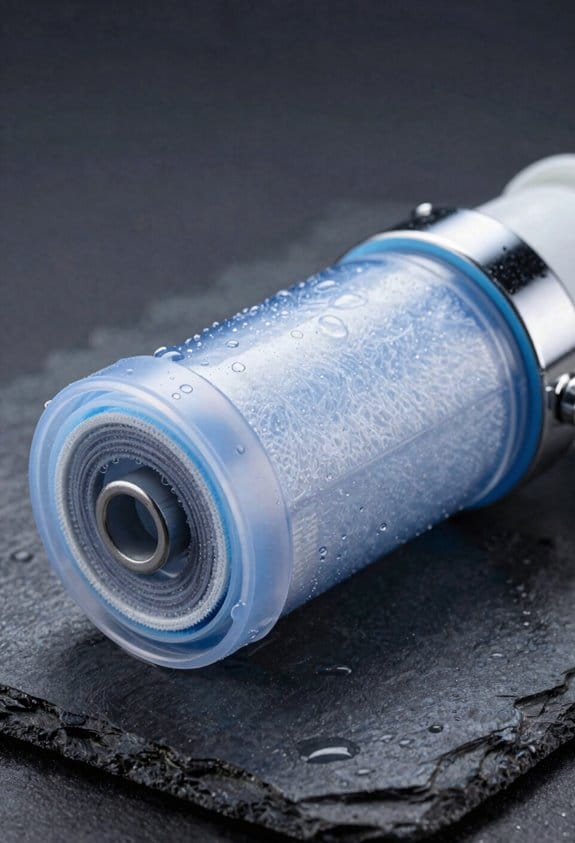
Understanding how water chemistry changes destabilize old pipes is the first step, but knowing this danger exists doesn’t solve your immediate problem: you still need clean water coming from your taps today. You’ve got two main options: point-of-use filters or whole-house systems. Faucet filters are affordable and easy to install at individual sinks, targeting specific contaminants like lead and sediment. However, they require frequent replacement, creating ongoing maintenance costs. Whole-house systems filter all water entering your home, providing all-encompassing protection throughout your plumbing. These demand higher upfront investment and regular maintenance but eliminate contamination at the source. Consider your budget, water quality concerns, and household size when deciding which approach fits your needs best.
When Professional Pipe Replacement Is Worth the Cost
While point-of-use filters and whole-house systems can reduce contaminants in your water, they treat symptoms rather than the underlying problem: pipes themselves may be leaching lead, iron, and other harmful substances directly into your water supply. Professional pipe replacement addresses this root cause permanently. Though initial cost thresholds seem high—often ranging from $8,000 to $25,000 depending on your home’s size—long term savings justify the investment. You’ll eliminate recurring filter purchases, reduce health risks substantially, and restore your water system’s structural integrity. When your pipes exceed 50 years old or you’ve experienced repeated contamination issues, replacement becomes financially prudent. Calculate your costs against decades of protection and avoided medical expenses from exposure-related illnesses.
Ongoing Monitoring: Protecting Your Family After You’ve Treated Your Water
Even after you’ve invested in professional pipe replacement or installed filtration systems, your water quality doesn’t automatically remain safe indefinitely. You’ll want to establish scheduled testing routines to catch emerging problems before they affect your family’s health. I recommend testing your water annually, or more frequently if you notice changes like discoloration or unusual tastes. Keep detailed records of test results so you can identify patterns over time. Additionally, develop an emergency preparedness plan that includes knowing where your water shut-off valve is located and maintaining bottled water supplies. Stay informed about any municipal water advisories in your area, since citywide contamination events can still impact even treated home systems. Regular monitoring gives you the awareness needed to respond quickly to potential threats.
Frequently Asked Questions
Can Biofilm and Bacterial Growth in Old Pipes Cause Gastrointestinal Illness Beyond Lead Contamination?
Picture slimy bacterial biofilms coating your pipes’ interior walls. Yes, I’m telling you they’ll cause gastrointestinal outbreaks independent of lead—E. coli and pathogens thrive in corroded systems, triggering serious illness beyond heavy metal contamination risks.
What Symptoms Indicate Iron Accumulation From Corroded Pipes in My Body?
If you’re experiencing fatigue symptoms, weakness, joint pain, brain fog, and depression, you might have iron accumulation from corroded pipes. These signs suggest excessive dissolved iron buildup in your body from your water supply.
How Do Tubercles in Aging Pipes Contribute to Water Quality Problems Over Time?
I’ll compare tubercles to sediment layers in a riverbed—they’re nature’s slow corrosion signature. Over time, mineral encrustation and tubercle buildup destabilize deposits, breaking loose to contaminate your water with lead particles and harmful contaminants.
Are Asbestos Pipes as Dangerous as Lead Pipes Installed Before 1986?
I’d say they’re comparably serious but differently dangerous. Lead causes developmental harm in children, while asbestos exposure risks mesothelioma and lung cancer. Both require asbestos remediation or pipe replacement—you shouldn’t delay addressing either threat in your home.
Which Contaminants Besides Lead Commonly Hide in Aging Home Plumbing Systems?
You’re dealing with rust, copper leaching, and cadmium in aging pipes. Here’s what strikes me: old systems contribute to contamination affecting 60% of urban households. Manganese buildup also commonly occurs, creating additional water quality concerns.


